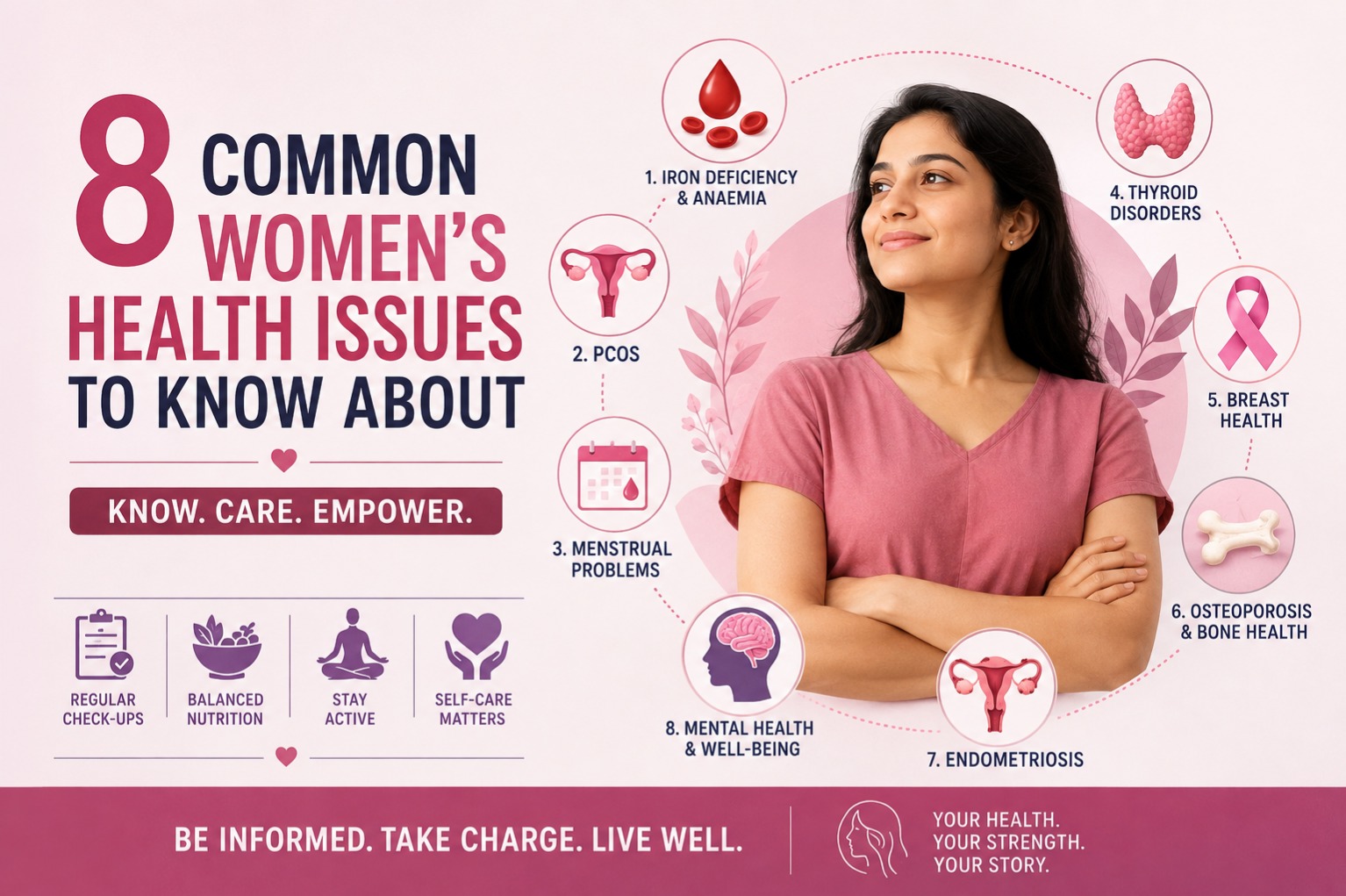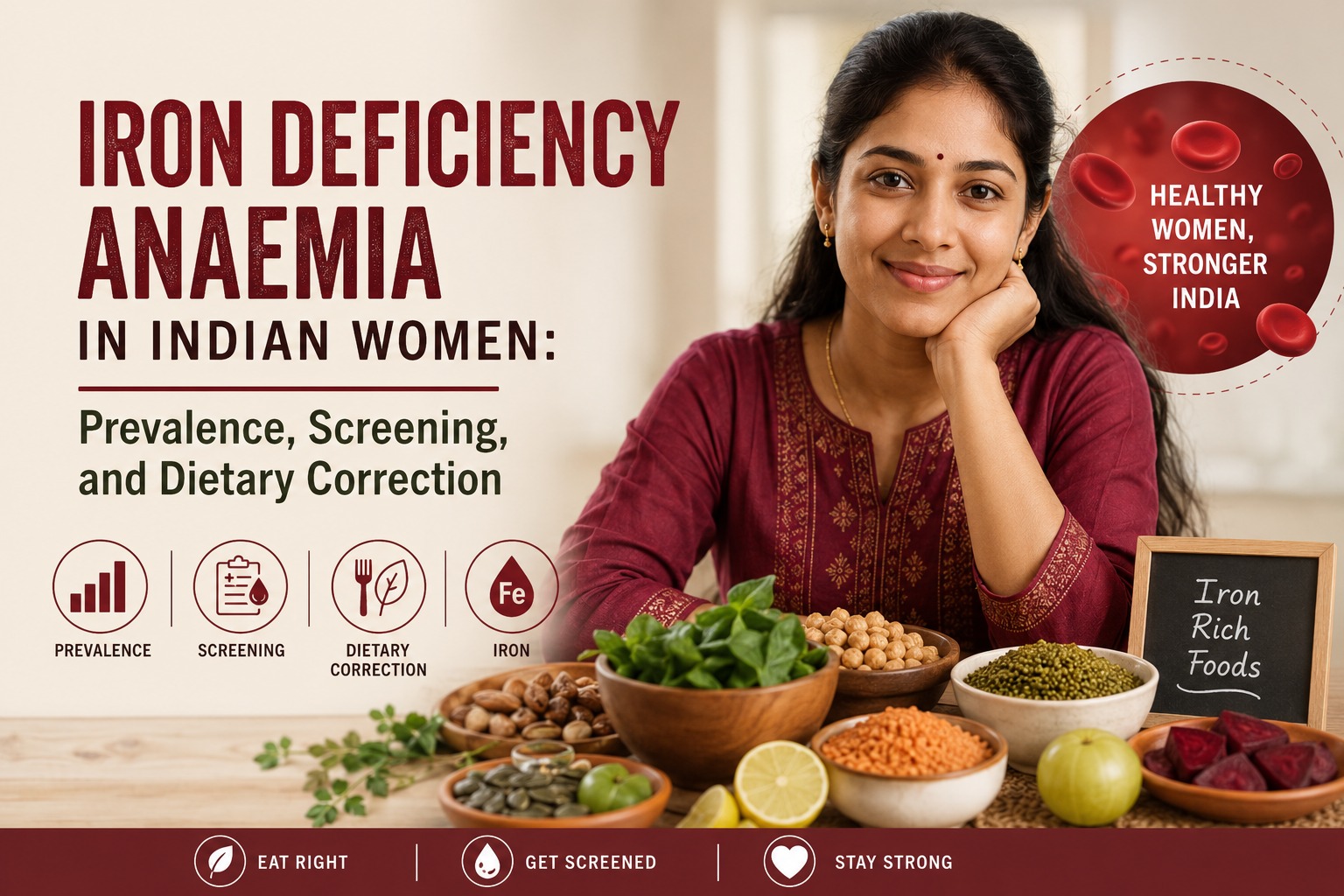
Iron deficiency anaemia is one of the most common nutritional problems affecting women in India. It is often dismissed as “just low haemoglobin”, especially when tiredness, weakness or dizziness have been present for a long time. But persistent iron deficiency can affect much more than energy levels. It can interfere with concentration, work capacity, immunity, pregnancy outcomes and overall quality of life.
For many Indian women, the reasons behind iron deficiency are not limited to diet. Heavy menstrual bleeding, closely spaced pregnancies, increased nutritional requirements during pregnancy, poor absorption of iron and certain gastrointestinal conditions can all contribute.
The good news is that iron deficiency anaemia is usually preventable and treatable when it is identified early.
How common is iron deficiency anaemia among Indian women?
Anaemia remains a major public-health concern in India, particularly among women of reproductive age and pregnant women. National surveys have consistently shown a high burden of anaemia among Indian women.
According to the National Family Health Survey-5 (NFHS-5), conducted in 2019–21, around 57% of women aged 15–49 years were anaemic. Among pregnant women aged 15–49, the proportion was even higher.
It is important to understand that not every case of anaemia is caused by iron deficiency. Anaemia can also result from vitamin B12 or folate deficiency, infections, chronic diseases, genetic conditions and other causes. However, inadequate iron intake and iron loss are important contributors, particularly in women who menstruate.
This distinction matters because simply taking an iron supplement without finding out why haemoglobin is low may not address the underlying problem.
Why are Indian women particularly vulnerable to iron deficiency?
There isn't one single reason. In many women, several factors overlap.
1. Menstrual blood loss
Women lose some iron through menstrual bleeding. For women with heavy or prolonged periods, the amount of iron lost can become significant over time.
Heavy menstrual bleeding should not simply be accepted as something a woman has to “live with”. If periods are unusually heavy, painful or prolonged, discussing them with a gynaecologist is worthwhile.
2. Pregnancy increases iron requirements
During pregnancy, the body needs additional iron to support the growing baby, placenta and increased maternal blood volume.
Women who enter pregnancy with low iron stores may find it particularly difficult to meet these increased requirements through food alone.
3. Closely spaced pregnancies
When pregnancies occur close together, the body may have less time to restore iron stores after pregnancy and childbirth.
This is one reason preconception health and nutritional assessment can be valuable—not just care after becoming pregnant.
4. Dietary patterns
Indian diets can provide plenty of nutrients, but the amount and absorption of iron can vary considerably.
Plant foods contain non-haem iron, which is not absorbed as efficiently as haem iron found in animal foods. At the same time, certain foods and beverages can reduce iron absorption when consumed with an iron-rich meal.
This doesn't mean a vegetarian diet inevitably causes anaemia. A well-planned vegetarian diet can provide adequate iron, but attention to food combinations and overall dietary quality becomes important.
5. Blood loss or underlying health conditions
Iron deficiency can sometimes be caused by blood loss that isn't immediately obvious. Gastrointestinal bleeding, certain digestive conditions and other medical problems may contribute.
If iron deficiency keeps returning despite appropriate treatment, the cause needs to be investigated rather than repeatedly treating the haemoglobin number alone.
What are the symptoms of iron deficiency anaemia?
Some women have very few symptoms, particularly when anaemia develops gradually.
Common symptoms include:
Persistent tiredness
Weakness or reduced stamina
Dizziness or light-headedness
Headaches
Shortness of breath, especially with exertion
Pale skin or pale inner eyelids
Poor concentration
Feeling unusually cold
Increased hair shedding in some people
Brittle nails
A woman may assume that feeling exhausted is simply part of managing work, home and family responsibilities. But ongoing fatigue shouldn't automatically be considered normal.
Iron deficiency can sometimes occur before haemoglobin falls enough to be classified as anaemia, which is why looking at iron stores can be useful in appropriate situations.
How is iron deficiency anaemia diagnosed?
A simple blood test is usually the starting point.
Complete Blood Count (CBC)
A CBC provides information about haemoglobin and the size and characteristics of red blood cells.
Low haemoglobin can indicate anaemia, but it does not tell us its exact cause.
Serum ferritin
Ferritin is commonly used to assess the body's stored iron.
A low ferritin level generally indicates depleted iron stores. However, ferritin can rise during infection or inflammation, so it should be interpreted in the context of the person's overall health.
Depending on the situation, a doctor may recommend additional tests such as serum iron, transferrin saturation, vitamin B12, folate or other investigations.
Don't self-diagnose based on haemoglobin alone
A low haemoglobin result is a reason to investigate, not necessarily a reason to immediately start taking high-dose iron supplements without medical advice.
The right treatment depends on the cause, severity and individual circumstances.
Dietary correction: Getting more iron from everyday Indian foods
Food is an important part of preventing and managing iron deficiency.
Some useful iron-containing foods commonly available in Indian households include:
Green leafy vegetables
Spinach (palak), amaranth (thotakura), drumstick leaves (moringa) and other leafy greens can contribute iron to the diet.
However, relying on spinach alone to correct significant anaemia is unlikely to be enough. Dietary variety matters.
Pulses and legumes
Regularly include foods such as:
Lentils (dal)
Chickpeas (chana)
Kidney beans (rajma)
Black gram (urad dal)
Green gram (moong)
Cowpeas (lobia)
These foods can be incorporated into traditional meals without requiring major changes to the diet.
Millets and whole grains
Millets such as ragi, bajra and jowar can contribute iron and other nutrients.
They can be used in rotis, dosas, porridges and other familiar preparations.
Nuts and seeds
Sesame seeds (til), pumpkin seeds, peanuts and other nuts and seeds can add iron as well as protein and healthy fats.
A small serving added to meals or snacks can be an easy way to improve dietary quality.
Animal-source foods
For women who eat non-vegetarian foods, meat, fish and poultry provide haem iron, which is generally absorbed more efficiently than non-haem iron from plant foods.
Liver is particularly rich in iron, although pregnant women should not consume liver routinely because of its high vitamin A content.
Vitamin C can help with iron absorption
One of the simplest ways to improve absorption of plant-based iron is to combine iron-rich foods with a source of vitamin C.
For example:
Dal + lemon
Chana salad + tomato and lemon
Rajma + vegetable salad
Ragi dosa + tomato chutney
Leafy vegetable curry + a vitamin-C-rich side
Indian cooking already offers plenty of options—lemon, amla, guava, oranges, tomatoes and many other fruits and vegetables can be incorporated into meals.
The goal isn't to create a complicated diet plan. Small changes to everyday meals can make a meaningful difference.
What should you avoid around iron-rich meals?
Tea and coffee contain compounds that can reduce the absorption of non-haem iron.
This doesn't mean women need to stop drinking tea or coffee. Instead, avoid having them immediately with an iron-rich meal or iron supplement.
For example, if lunch contains dal, leafy vegetables and millet, having tea immediately afterwards may not be the best choice.
Calcium can also interfere with iron absorption in certain circumstances. If you are taking both iron and calcium supplements, your doctor or dietitian can advise you on how to space them.
Is diet alone enough to treat anaemia?
This is an important question.
Not always.
Mild nutritional deficiency may improve with dietary changes, but established iron deficiency anaemia often requires iron supplementation in addition to dietary correction.
The dose and duration depend on the severity of deficiency and the person's individual circumstances.
Iron tablets can also cause side effects such as constipation, nausea, abdominal discomfort or dark stools. If side effects make it difficult to continue treatment, speak to your doctor rather than simply stopping the medication. Different formulations or dosing strategies may sometimes be considered.
For severe anaemia, poor absorption, intolerance to oral iron or certain medical situations, intravenous iron may be recommended by a healthcare professional.
Iron deficiency during pregnancy needs special attention
Pregnancy is a period when iron requirements increase substantially.
Women planning pregnancy can benefit from addressing anaemia or iron deficiency beforehand, particularly if they have a history of anaemia, heavy periods or previous pregnancy-related iron deficiency.
During pregnancy, iron supplementation should be taken according to the advice of the obstetrician or healthcare provider.
Anaemia during pregnancy has been associated with adverse maternal and pregnancy outcomes, particularly when it is moderate or severe. This is why antenatal screening and appropriate treatment are important.
When should a woman get tested?
Testing may be particularly appropriate if you have:
Persistent or unexplained fatigue
Heavy or prolonged periods
A history of anaemia
Frequent pregnancies or recent childbirth
A vegetarian or vegan diet with limited dietary variety
Symptoms suggestive of anaemia
A previous history of iron deficiency
Poor response to previous iron treatment
Women should also follow the blood-testing schedule recommended by their doctor during pregnancy.
A practical Indian diet approach
Correcting iron deficiency doesn't require abandoning familiar Indian food.
A simple day could look like:
Breakfast:
Ragi dosa with sambar and tomato chutney
Mid-morning:
Guava, orange or another vitamin-C-rich fruit
Lunch:
Rice or roti + dal/rajma + leafy vegetable curry + salad with lemon
Evening:
Roasted chana or peanuts
Dinner:
Roti + chana/dal or a non-vegetarian protein source + vegetables
Tea or coffee can be taken separately rather than immediately alongside the main meals.
The exact diet should, of course, be adapted to individual nutritional requirements, food preferences, medical conditions and whether the person is vegetarian or non-vegetarian.
The bigger picture: Don't treat haemoglobin in isolation
Iron deficiency anaemia is often discussed as a nutrition problem, but for many women the underlying issue can be more complicated.
A woman with heavy periods may need evaluation for the cause of excessive bleeding. Someone whose iron levels repeatedly fall despite supplementation may need investigation for poor absorption or ongoing blood loss. Another person may actually have a different type of anaemia altogether.
That is why screening, identifying the cause and treating the deficiency together is more effective than simply taking iron whenever haemoglobin is low.
Takeaway
Iron deficiency anaemia remains a significant health concern for Indian women, but it is not something that should be accepted as a normal part of being a woman.
Eating a varied diet containing iron-rich foods, combining plant sources with vitamin-C-rich foods, keeping tea and coffee away from iron-rich meals, and addressing heavy menstrual bleeding can all help reduce the risk.
Most importantly, persistent symptoms or abnormal blood tests deserve proper evaluation. A CBC and, where appropriate, ferritin testing can help identify iron deficiency and guide treatment.
If iron deficiency anaemia is confirmed, dietary improvement and medical treatment should work together rather than being treated as alternatives.
Medical note: This article is intended for general education and is not a substitute for an individual medical consultation. Anyone with significant anaemia, pregnancy, heavy menstrual bleeding, persistent symptoms or recurrent iron deficiency should consult a qualified healthcare professional.