If you have ever checked your blood pressure on a cold morning and noticed that the reading is higher than usual, you may have wondered whether the weather is responsible.
The short answer is yes, cold temperatures can affect blood pressure.
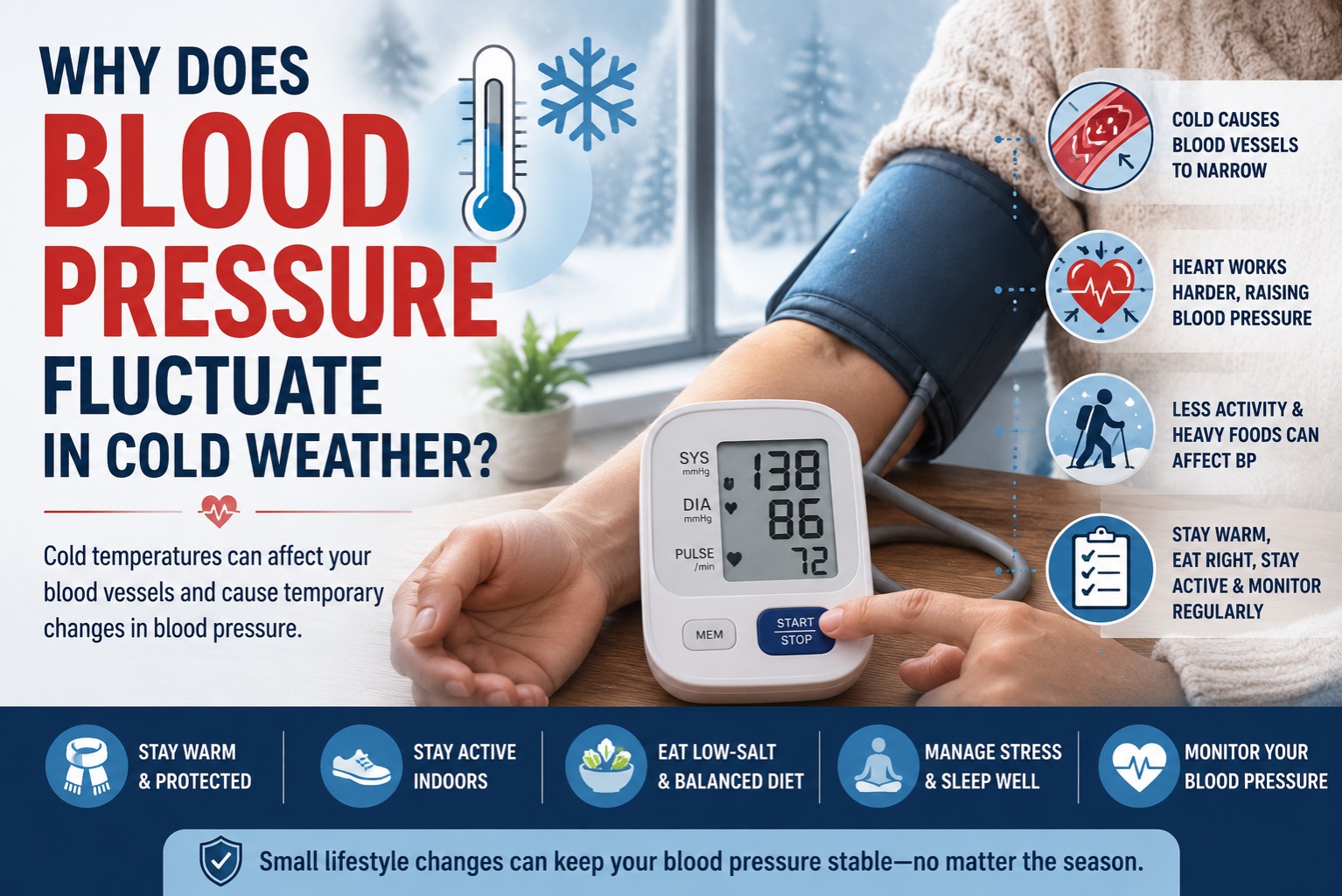
Blood pressure tends to be higher during colder months and lower during warmer months. The main reason is simple: when the body is exposed to cold, blood vessels temporarily narrow. This makes it harder for blood to flow through them, so the pressure inside the arteries can rise.
For most healthy people, these changes are temporary. But for people with hypertension, heart disease or other cardiovascular risk factors, even seasonal changes deserve some attention.
What happens to your blood vessels in cold weather?
Your body constantly works to maintain its internal temperature.
When you're exposed to cold, the blood vessels near the skin become narrower. This process, known as vasoconstriction, helps reduce heat loss and keeps more warm blood closer to the body's core.
There is a trade-off, however.
When blood vessels become narrower, the heart has to push blood through a smaller space. As a result, blood pressure can increase.
Think of it like water moving through a hose: when the passage becomes narrower, the pressure required to move the water through it increases.
This is one of the main reasons blood pressure readings can be higher in winter or during cold exposure.
Does cold weather affect everyone?
Not necessarily to the same degree.
A small seasonal change may not be clinically important for a healthy person. However, the effect can be more noticeable in:
Older adults
People with high blood pressure
People with heart disease
People with diabetes
People with other cardiovascular risk factors
The American Heart Association notes that cold exposure can cause blood vessels to constrict, raising blood pressure and placing additional stress on the cardiovascular system.
Research also suggests that seasonal changes in blood pressure can affect people who already have hypertension. In one analysis of more than 60,000 adults being treated for high blood pressure, average systolic blood pressure was slightly higher during winter than summer.
It's not just the temperature
When people think about winter and blood pressure, they often focus only on cold temperatures.
But several other seasonal changes can contribute.
1. Less physical activity
Cold or rainy weather can make people less active.
Instead of going for a morning walk or exercising outdoors, it is easy to spend more time indoors. Over several weeks, this reduction in activity can affect weight, fitness and blood pressure.
2. Changes in food habits
During colder months, people may eat more comfort foods, snacks and salty foods.
Higher sodium intake can contribute to increased blood pressure in people who are salt-sensitive.
3. Weight changes
Reduced activity combined with increased calorie intake can lead to gradual weight gain, which can affect blood pressure.
4. Stress and sleep changes
Shorter days, disrupted routines, work stress and poor sleep can also influence cardiovascular health.
So, when blood pressure rises during winter, the temperature may be one piece of the puzzle rather than the only explanation.
Why can blood pressure change suddenly on a cold morning?
A cold morning can produce a noticeable short-term response.
Imagine getting out of a warm bed and stepping into a cold room. Your body immediately begins responding to the temperature difference.
Blood vessels constrict, and the cardiovascular system works harder to maintain body temperature.
If you already have high blood pressure, this additional response may make your morning reading higher than usual.
This is also one reason why how and when you measure blood pressure matters.
What about sudden changes in weather?
It isn't necessarily only cold temperatures that matter.
Sudden changes in weather—including changes in humidity, atmospheric pressure, wind and temperature—may affect blood pressure in some people. These effects appear to be more noticeable in older adults.
That doesn't mean every change in weather will cause a significant blood pressure change. People respond differently, and other factors such as medication, activity, stress and sleep can have a much larger influence.
Can cold weather increase the risk of heart problems?
Cold weather can put additional stress on the cardiovascular system.
When blood vessels constrict, blood pressure can rise. Cold exposure can also cause the coronary arteries to constrict. For people with existing cardiovascular disease or several risk factors, this combination can be concerning.
Strenuous physical activity in very cold conditions can add another layer of stress.
For example, sudden heavy outdoor exertion can cause a rapid increase in heart rate and blood pressure. This is particularly relevant in countries where people may suddenly engage in strenuous winter activities without being accustomed to them.
The same principle applies beyond snow-related activities: don't suddenly push yourself into intense exercise in cold weather if you are not accustomed to it.
What should people with high blood pressure do in cold weather?
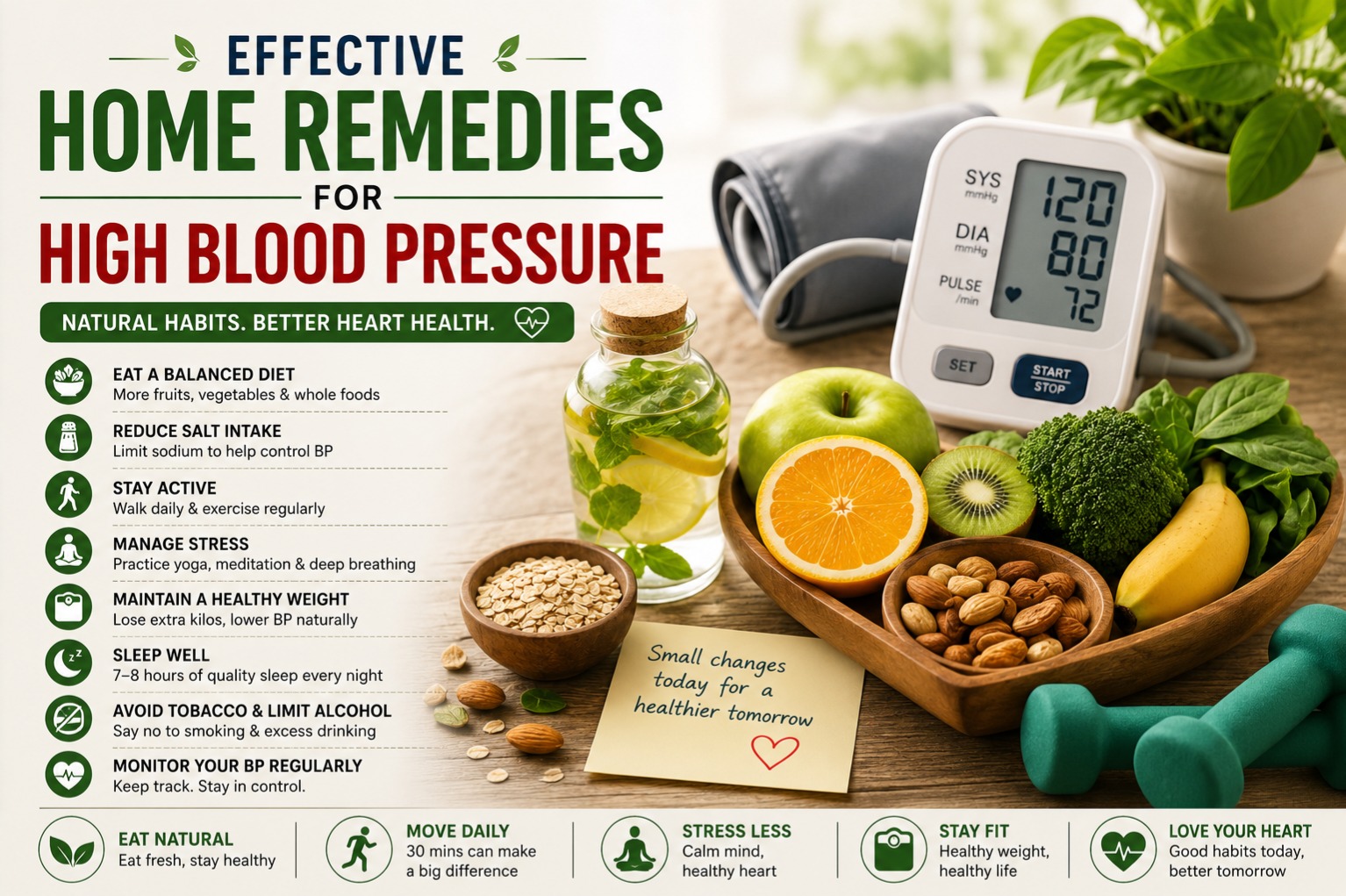
You don't need to be afraid of winter. A few practical habits can help keep your blood pressure more stable.
1. Keep yourself warm
Dress appropriately for the temperature.
Layering clothes, keeping your head and hands covered when needed, and avoiding prolonged exposure to very cold conditions can reduce the body's cold stress.
2. Continue regular physical activity
Don't completely stop exercising because the weather is cold.
If outdoor exercise isn't comfortable, consider indoor options such as:
Walking indoors
Strength exercises
Stretching
Yoga
Stationary cycling
Other suitable indoor workouts
The important thing is to maintain a regular routine.
3. Watch your salt intake
Winter comfort foods can sometimes contain more sodium than expected.
Be mindful of:
Pickles
Papad
Packaged snacks
Instant foods
Processed foods
Restaurant meals
Salt-heavy soups and sauces
Reducing excessive sodium intake can be particularly important for people with hypertension.
4. Keep taking prescribed medication
If you take blood pressure medication, continue it as prescribed.
Don't reduce, increase or stop your medication simply because your readings change with the weather.
If your readings consistently change during winter, discuss them with your healthcare professional. Seasonal changes may sometimes require closer monitoring or treatment adjustments.
5. Monitor your blood pressure properly
Home monitoring can help identify patterns.
Try to measure your blood pressure under similar conditions each time—for example, after sitting quietly for a few minutes rather than immediately after walking around in the cold.
Keeping a record of your readings can help your doctor distinguish an occasional fluctuation from a persistent change.
Don't forget about cold and flu medicines
This is an often-overlooked issue.
If you have high blood pressure and develop a cold or flu during winter, be careful with over-the-counter medicines.
Some decongestants, including medicines containing ingredients such as pseudoephedrine, can narrow blood vessels and raise blood pressure.
Before taking a cold or sinus medicine, check the label and, if you have hypertension, ask your doctor or pharmacist which options are appropriate.
"Over-the-counter" does not automatically mean "safe for everyone."
When is a blood pressure fluctuation concerning?
An occasional higher reading does not necessarily mean that you have uncontrolled hypertension.
Blood pressure naturally changes throughout the day and can be affected by factors such as:
Physical activity
Stress
Caffeine
Poor sleep
Cold exposure
Pain
Certain medications
What matters more is the overall pattern.
If your readings are repeatedly higher than usual, keep a record and discuss the pattern with your healthcare professional.
A blood pressure reading of 180/120 mm Hg or higher is considered a hypertensive crisis range. If this occurs, particularly with symptoms such as chest pain, shortness of breath, weakness, confusion, vision changes or severe headache, urgent medical attention is required.
A simple winter blood-pressure routine
If you have hypertension, a simple routine can make winter monitoring easier:
Morning:
Wake up → stay warm → sit quietly → measure your blood pressure as advised.
During the day:
Stay physically active, drink adequate fluids and choose balanced meals.
Evening:
Avoid excessive salty foods and follow your prescribed medication schedule.
Throughout winter:
Keep track of your readings and look for trends rather than worrying about one unusual number.
The Bottom Line
Cold weather can cause blood vessels to narrow, which can temporarily increase blood pressure. This seasonal effect may be more important for people who already have hypertension or cardiovascular risk factors.
But temperature isn't the whole story. Reduced physical activity, dietary changes, weight gain, stress, sleep disruption and certain cold medicines can also influence blood pressure.
The best approach is not to avoid cold weather altogether. Instead, stay warm, remain active, monitor your blood pressure correctly, watch your diet and continue prescribed treatment.
And if your blood pressure is consistently higher than usual, don't simply blame the weather—talk to your healthcare professional.
Medical disclaimer: This article is intended for general health education and does not replace medical diagnosis or individual treatment. If you have persistent high blood pressure, heart disease, or concerning symptoms, consult a qualified healthcare professional.